Frustration — How Stress Affects a Horse
Horses don’t just feel our stress — they carry it with us.
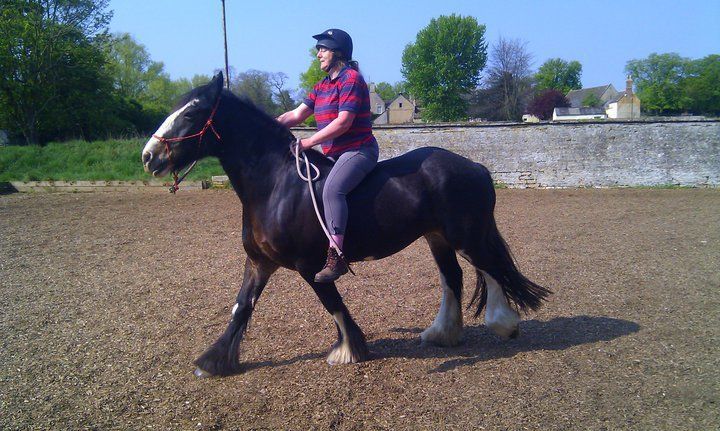
There’s no better example of how deeply horses feel our stress — and how gently they try to tell us — than this moment with Dolly.
One spring evening, after a frantic day at work, I drove straight to the yard. I told myself the fresh air would help, that a quiet ride around the village would clear my head. But as soon as I stopped the car, I could feel my insides racing. My body was still in the speed and tension of the day.
I sat for a moment, breathing, trying to “leave the stress at the gate,” as so many people advise. But my mind was still running.
Dolly came to the fence when she saw me, as she always did. We walked back through the fields and I tried to focus on how lucky I was to have her. In the stable she ate her hay, listening to me ramble on while I groomed her. Everything felt normal — until I came back with her tack.
She took one look… and quietly walked to the back corner.
It wasn’t dramatic. It wasn’t defiant. It was her polite way of saying, “Not today, Mum.”
Dolly loved going out. We’d ridden miles together. This wasn’t like her. But I could feel my own insides shaking, and I knew exactly what she was reacting to.
Still, I persisted. I told myself that once I was on her back, everything would settle. She let me tack her up, but she made it as awkward as possible — stepping away, turning her head, testing me gently, asking, “Are you really in the right place to lead me today?”
By the time we got to the picnic table we used as a mounting block, my patience was thin. Dolly walked up and stopped one step too far back. When I asked her forward, she took two strides and stopped too far ahead. Backwards, forwards, sideways — she did everything I asked, but never quite what I needed.
Dolly, the queen of polite evasion.
Fifteen, maybe twenty minutes passed. My frustration from the day was bubbling up, and finally it spilled over. I tapped her once with the little crop I carried for flies and snapped, “Dolly, just do as I ask!”
She didn’t flinch. She didn’t move. She simply turned her head and looked at me.
A look that said, as clearly as words, “You don’t hit me.”
Shame hit me like a wave. I burst into tears — not because of Dolly, but because the whole day came pouring out. I sat down on the table, crying, and Dolly walked over and placed her nose gently on my arm.
That was all it took.
I apologised to her through tears. “You’re right, Dolly. I shouldn’t have hit you. It was only a tap… and you’re supposed to be my horse, not my psychiatrist.” The absurdity of it made me laugh, and she stood there with those knowing eyes, steady and patient.
When I finally stood up and said, “Right, shall we go for this ride now?” she walked straight into the perfect position for me to mount.
No hesitation. No evasion. Just calm readiness.
And as soon as I sat on her, I realised all the shaky tension inside me had gone. The ride was shorter than planned, but it was peaceful. Dolly was her usual, steady self.
That evening she taught me something I’ve never forgotten:
Horses don’t just feel our stress — they carry it with us. And sometimes they hold the boundary we can’t hold for ourselves.