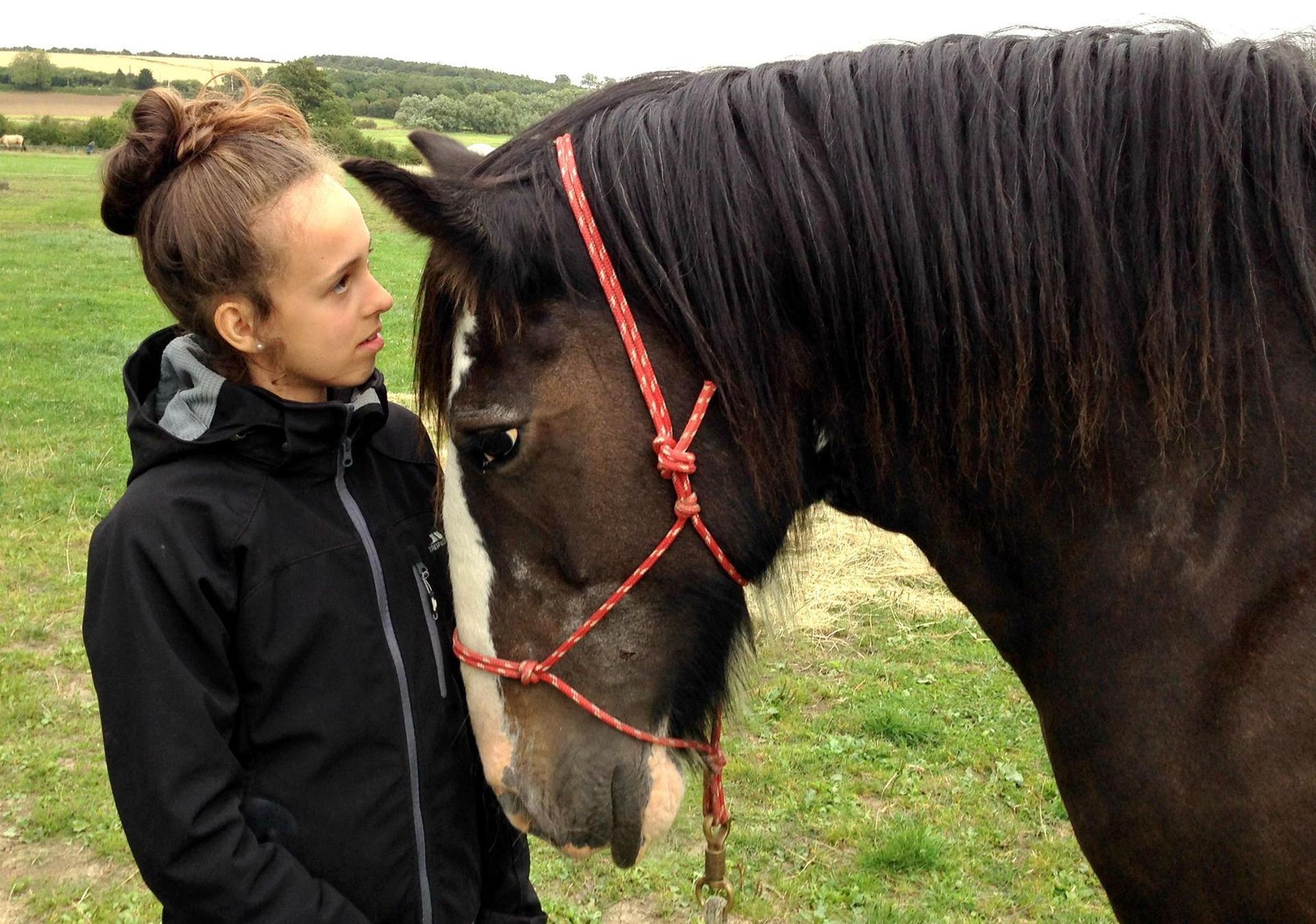

Understanding Your Horse

by Lorraine Mitchell 5 April 2026
What Flash Taught Me About Horses, Bullying ,and Trust.
Lorraine Riding Dolly Bareback
by Lorraine Mitchell 5 April 2026
One of the hardest things I have had to sit and think about over the years is the difference between encouraging a horse to move forward and coercing them into doing something they are not ready for. Listening to horses is at the heart of everything I believe in, but horses and humans are working together toward goals. Whether that goal is walking calmly on a lead rope, hacking safely down a road, competing, or simply building confidence, there are moments where the human needs to ask the horse to move forward. This creates an important ethical question. When does encouragement become pressure? When does support become coercion? And where does listening sit when we still need to move toward a goal? I spent a long time reflecting on this because simply saying “listen to your horse” is not enough. Horses and humans live in a shared space, and both need clarity, safety, and direction. Doing nothing is not always listening, and pushing forward is not always wrong. The balance sits somewhere in the middle, and finding that balance requires honesty and self-awareness. Coercion happens when the outcome becomes more important than the horse. It shows up in pressure that does not stop when the horse is confused or worried. It shows up in ignoring fear because progress is expected. It shows up in forcing movement instead of understanding hesitation. The horse may comply, but compliance is not trust. Compliance often means the horse has learned that their voice does not matter. Over time, this creates tension, anxiety, and sometimes dangerous reactions because the horse is coping rather than partnering. Encouragement and support look very different. Encouragement is a clear request followed by observation. Support means paying attention to how the horse responds and adjusting what we ask. It means allowing time to think, time to process, and time to feel safe. It means guiding rather than forcing. When a horse feels supported, they begin to understand that movement is not something being demanded from them, but something they can do safely with the human beside them. This is where listening becomes real. Listening is not stepping back and never asking anything of the horse. Listening is understanding their emotional state, their readiness, and their confidence level, and then guiding them in a way that protects their welfare while still moving toward a shared goal. It took me time to accept this. I had to sit with the uncomfortable truth that both extremes can cause problems. Pushing creates fear and resistance, but never asking can leave horses and humans stuck without direction or safety. The ethical space sits in responsible guidance — asking clearly, observing carefully, and supporting the horse as they move forward. Horses do not resist guidance. They resist fear, pressure, and confusion. When they feel heard and supported, they are often willing to try, willing to move, and willing to trust. This is the balance I have come to understand through watching and learning from horses over many years. Listening and moving forward are not opposites. They work together when trust is at the centre of the partnership. Encouragement builds confidence. Support builds trust. Coercion destroys both. The responsibility sits with us to know the difference. Consider your intention. When you approach your horse, how do you feel to them? L ike a predator with an agenda driven by fear and control, or like a leader who supports them through their natural life of fear and hesitation? Horses are prey animals. They constantly assess the emotional state and intention of the beings around them. Our body language, energy, and internal state tell them whether they are safe or whether they need to protect themselves. Our intention matters more than we know. If you would like to explore how your presence and mindset affect your horse, you can try my short free audio exercise. This gentle exercise helps you become aware of what your horse may be sensing and how small changes in intention can shift behaviour and connection. Download here